Organizing a successful conference requires meticulous planning and clear communication among all stakeholders. Without a cohesive plan, even the most promising events can stumble due to miscommunication or missed details. This is where a well-structured conference event brief template becomes an indispensable tool for event managers, marketing teams, and executives alike. It serves as the single source of truth, guiding every decision from venue selection to post-event follow-up.
Having a ready-to-use template ensures that no critical information is overlooked, creating a streamlined process for everyone involved. This article will explore the essential components of an effective conference event brief, explain its benefits, and provide a practical sample you can adapt for your next big gathering. By the end, you will understand how to leverage a robust planning document to elevate your event execution.
Crafting an Effective Conference Event Brief
An effective conference event brief acts as the blueprint for your entire event, outlining objectives, target audience, logistics, and expected outcomes. It’s a dynamic document that evolves throughout the planning stages but remains anchored to the core vision. Developing a comprehensive brief ensures everyone on your team, and external vendors, are on the same page from the outset. This shared understanding drastically reduces misunderstandings and boosts efficiency.
Consider the brief as your central communication hub. It defines the “what,” “why,” “who,” “when,” and “how” of your conference, providing clarity that drives better decision-making. Utilizing a standardized conference event brief template saves time and ensures consistency across all your events, building a repository of best practices. Furthermore, a detailed brief helps in securing necessary approvals and funding by clearly articulating the event’s value proposition.
Here are the key sections typically included in a robust conference event brief:
- Event Overview:
- Event Name and Tagline
- Date(s) and Time(s)
- Proposed Venue(s)
- Overall Goal/Purpose (Why are we holding this conference?)
- Key Objectives (Specific, Measurable, Achievable, Relevant, Time-bound goals)
- Target Audience:
- Demographics (Industry, Job Title, Seniority Level)
- Attendee Profile (What are their needs, challenges, and interests?)
- Expected Number of Attendees
- Content & Program:
- Core Themes and Topics
- Keynote Speakers (Proposed or Confirmed)
- Session Formats (Workshops, Panels, Presentations)
- Agenda Highlights
- Logistics & Operations:
- Budget Overview (High-level allocation)
- Technology Requirements (AV, Wi-Fi, Livestreaming)
- Catering Needs
- Registration Process
- Staffing Requirements
- Marketing & Communications:
- Branding Guidelines
- Marketing Channels (Email, Social Media, PR)
- Key Messaging and Calls to Action
- Promotion Timeline
- Measurement & Evaluation:
- Key Performance Indicators (KPIs)
- Feedback Mechanisms (Surveys, Post-event reports)
- Success Metrics
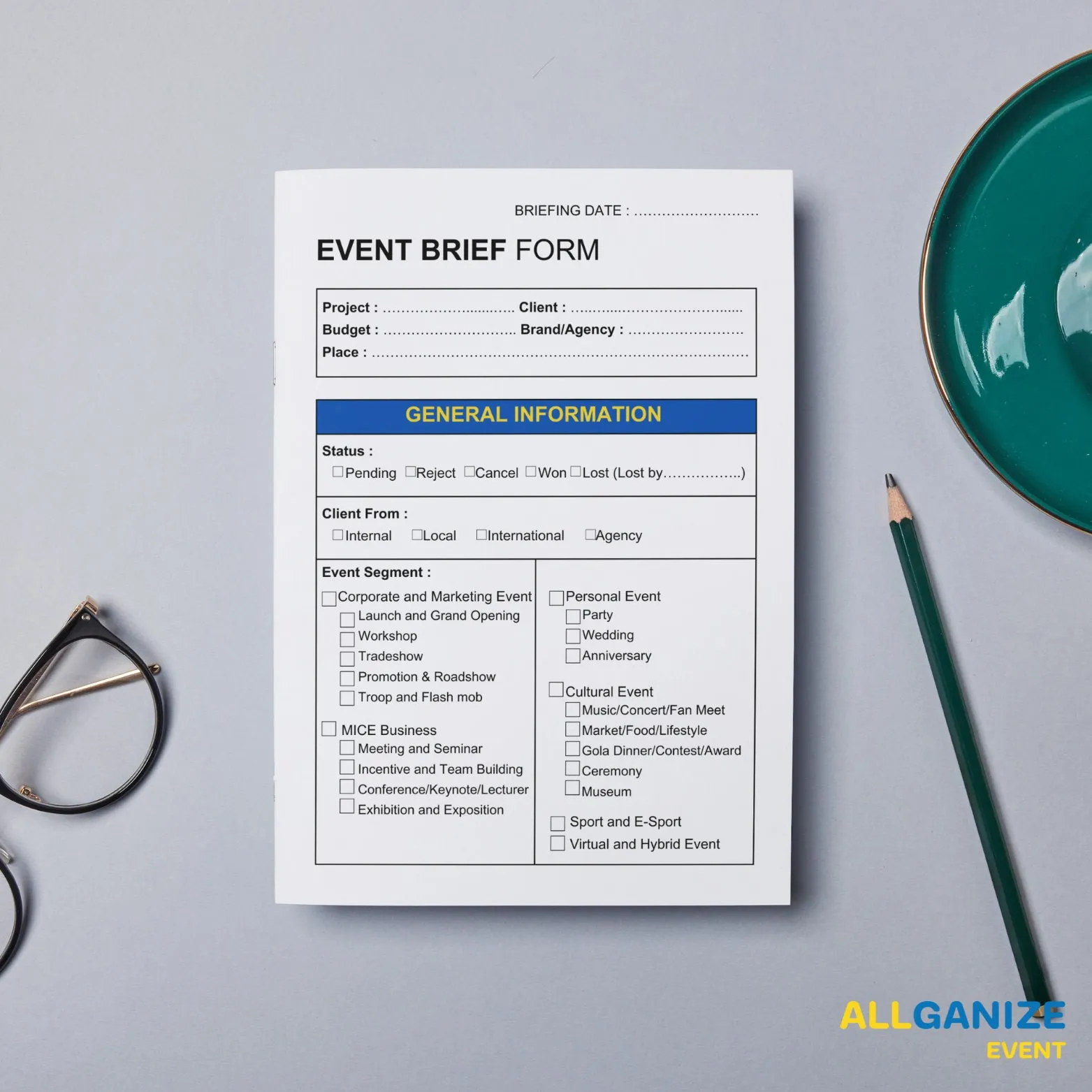
Sample Conference Event Brief Template
Below is a simplified example of how you might structure a conference event brief template. This layout offers a clear, sectioned approach, making it easy to input information and quickly grasp the event’s core details. Remember, flexibility is key; adapt sections to best suit the unique needs of your conference.
| Section | Details to Include |
|---|---|
| 1. Event Title & Overview | Conference Name: [e.g., “FutureTech Summit 2024”] Tagline: [e.g., “Innovate, Connect, Grow”] Date(s): [e.g., October 26-28, 2024] Venue: [e.g., Grand Convention Center, City] Overall Goal: [e.g., To foster collaboration among tech leaders and showcase emerging technologies.] |
| 2. Objectives | – Attract 500+ attendees. – Secure 3 renowned keynote speakers. – Generate 100+ qualified leads for partners. – Achieve an attendee satisfaction score of 90%. |
| 3. Target Audience | – Tech executives, software developers, IT professionals. – Startup founders, venture capitalists. – Professionals aged 25-55, primarily from the North American market. |
| 4. Key Themes & Content | – AI & Machine Learning, Cybersecurity, Cloud Computing, Sustainable Tech. – Focus on interactive workshops and case studies. – Speaker proposals due: July 15, 2024. |
| 5. Budget Summary | Total Estimated Budget: [$X,XXX,XXX] Key Allocations: Venue, AV, Speakers, Marketing, F&B. |
| 6. Marketing Strategy | – Digital campaigns (Google Ads, LinkedIn, industry newsletters). – Media partnerships with tech publications. – Early bird registration launches: June 1, 2024. |
| 7. Success Metrics | – Number of attendees, sponsor revenue, media impressions, social media engagement. – Post-event attendee survey results and qualitative feedback. |
Utilizing a comprehensive template like this ensures that your team has all the necessary information at their fingertips. It streamlines the planning process, from initial conceptualization to post-event analysis, creating a more professional and impactful event. A well-prepared brief empowers your team to execute flawlessly and focus on delivering an exceptional experience for every attendee.
Embracing a robust conference event brief template is a strategic move for any organization aiming for flawless event execution. It consolidates vital information, clarifies objectives, and aligns all involved parties, transforming complex planning into a manageable process. By adopting a systematic approach, you minimize risks, maximize resource utilization, and ultimately deliver memorable and successful conferences that achieve their intended impact.
Start integrating this essential tool into your event planning workflow today. A standardized brief not only enhances current projects but also builds a valuable knowledge base for future events, fostering continuous improvement and consistent excellence. Equip your team with the right tools, and watch your conference visions come to life seamlessly.
