In the fast-paced world of commerce, launching new initiatives or expanding existing ventures requires clarity, precision, and a unified vision. A well-crafted business development brief template serves as the indispensable blueprint for guiding these critical endeavors, ensuring all stakeholders are aligned from inception to execution. It transforms abstract ideas into actionable plans, minimizing missteps and maximizing the potential for success.
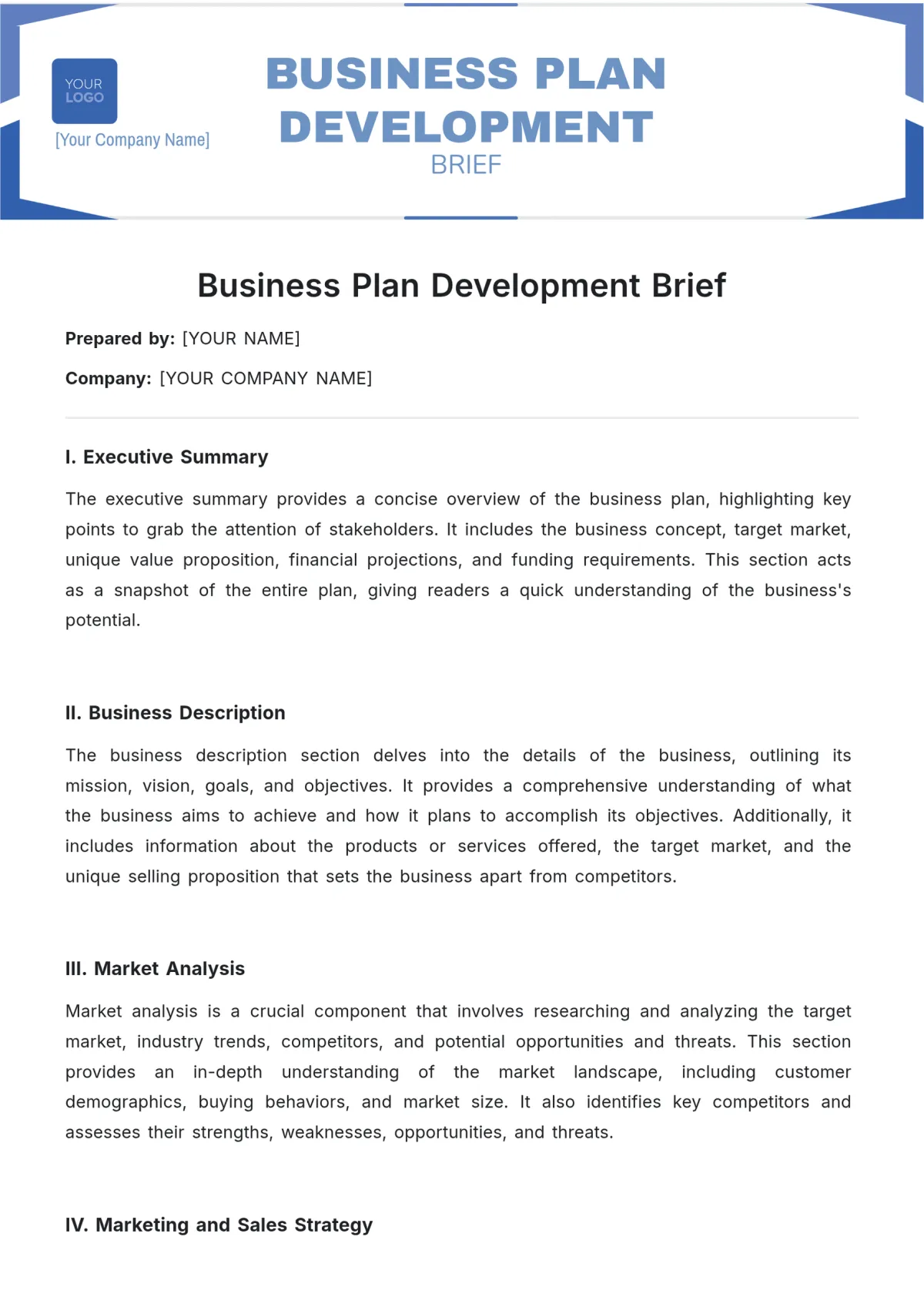
This article will delve into the essential elements of an effective business development brief, providing you with insights and a practical template to streamline your strategic planning. Discover how a structured approach can clarify objectives, identify target markets, and outline actionable strategies for your next big project or partnership.
Understanding the Power of a Business Development Brief
A business development brief is a concise, high-level document that outlines a proposed business initiative, partnership, or project. It acts as a foundational guide, communicating the core idea, its objectives, and the strategic path forward to internal teams, potential partners, and investors alike.
The primary benefit of utilizing such a brief is achieving crystal-clear communication and alignment across all involved parties. It helps prevent misunderstandings, consolidates information, and ensures that everyone is working towards the same measurable goals. Investing time in developing a robust brief significantly reduces ambiguities down the line.
Think of it as your project’s North Star. It enables teams to focus their efforts, allocate resources efficiently, and maintain momentum. Studies show that projects with clearly defined scopes and objectives have a significantly higher success rate, often exceeding 70% in on-time and on-budget delivery.
Key Components of an Effective Business Development Brief Template
Developing a comprehensive business development brief template involves structuring information logically to cover all critical aspects of a new venture. Each section plays a vital role in painting a complete picture of the proposed initiative, from its underlying purpose to its expected outcomes. Let’s explore the essential elements that comprise a robust brief.
Below is a breakdown of the core sections you should include, designed to provide clarity and actionable insights. This structure ensures that every important detail is considered and documented, making it easier to present, discuss, and refine your development plans. A good business development brief template simplifies complex information into digestible segments.
Executive Summary
This section offers a brief overview of the entire brief, encapsulating the project’s purpose, key objectives, and anticipated outcomes. It should be compelling and concise, providing enough information for busy stakeholders to grasp the essence quickly.
Project Overview and Goals
Clearly define the proposed initiative, its background, and what specific problem it aims to solve or opportunity it seeks to seize. Outline measurable, achievable, relevant, and time-bound (SMART) objectives for the business development effort.
Target Market Analysis
Identify the specific audience or market segment this development brief targets. Include details about their demographics, needs, pain points, and current solutions. Understanding your target market is fundamental to effective strategy.
Strategy and Tactics
Describe the specific approaches, methods, and actions that will be employed to achieve the stated goals. This could include partnership strategies, market entry tactics, product positioning, or sales methodologies.
Resources and Budget
Detail all necessary resources, including personnel, technology, tools, and financial investments required for the project. Provide a high-level budget allocation to ensure financial feasibility and resource availability.
Timeline and Milestones
Establish a clear project timeline, breaking down the overall effort into significant phases and key milestones. Assign realistic deadlines to each stage, facilitating progress tracking and accountability.
Expected Outcomes and Key Performance Indicators (KPIs)
Articulate what success looks like for this initiative and define the metrics by which its performance will be measured. This ensures a clear understanding of what to achieve and how to quantify its impact.
Here is a sample structure for your business development brief template:
| Section | Description/Key Information to Include |
|---|---|
| 1. Executive Summary | Concise overview: project name, primary objective, key strategy, expected outcome. |
| 2. Project Name/Title | A clear, descriptive title for the business development initiative. |
| 3. Project Owner/Lead | Name and department of the individual or team responsible. |
| 4. Date of Brief | Date of document creation/last update. |
| 5. Background & Rationale | Why this project? The problem, opportunity, or market gap it addresses. |
| 6. Objectives (SMART) | Specific, Measurable, Achievable, Relevant, Time-bound goals. |
| 7. Target Market/Audience | Who are we targeting? Demographics, psychographics, needs. |
| 8. Competitive Landscape | Analysis of competitors, market trends, unique selling propositions (USPs). |
| 9. Proposed Strategy & Tactics | How will we achieve objectives? E.g., partnership, new product launch, market entry. |
| 10. Required Resources | Personnel, technology, budget, time, external support. |
| 11. Key Deliverables | Specific outputs or results expected at various stages. |
| 12. Success Metrics & KPIs | How will success be measured? E.g., revenue growth, market share, lead generation. |
| 13. Project Timeline & Milestones | Key phases, deadlines, and critical path items. |
| 14. Risks & Mitigation | Potential challenges and strategies to overcome them. |
| 15. Stakeholders | Internal and external parties involved and their roles. |
Adopting a structured business development brief template is not just about documentation; it’s about strategic clarity and efficient execution. By systematically outlining every facet of your development initiatives, you foster better communication, facilitate informed decision-making, and significantly enhance your chances of achieving desired outcomes.
Utilizing a comprehensive template like the one provided empowers your team to move forward with confidence and purpose. Start leveraging this powerful tool today to transform your business development efforts from uncertain aspirations into well-orchestrated successes. Invest in clarity, and watch your strategic objectives flourish.
