Embarking on the journey of flight training is an exhilarating experience, demanding precision, preparation, and consistent learning. Every flight lesson, whether in the cockpit or the simulator, requires a thorough pre-flight briefing to ensure safety, efficiency, and maximum learning for the student pilot. This is where a well-structured flight training brief template becomes an invaluable asset, transforming chaotic preparations into a streamlined, effective process.
Such a template helps both instructors and students standardize their preparation, ensuring no critical elements are overlooked. It acts as a roadmap for the upcoming flight, detailing objectives, maneuvers, potential challenges, and emergency procedures. By the end of this article, you’ll understand the essential components of an effective pre-flight briefing and see a practical template to elevate your aviation training.
Essential Components of a Pre-Flight Briefing Template
A comprehensive pre-flight briefing is the cornerstone of safe and effective flight training. It sets the stage for the entire lesson, aligning expectations and reinforcing critical knowledge. A structured template ensures that every crucial aspect, from weather analysis to emergency procedures, is systematically covered, leaving no room for assumptions or omissions. This organized approach significantly enhances the learning environment and improves overall safety.
The primary goal of a pre-flight briefing template is to create a consistent framework for every lesson. It helps instructors guide their students through the complexities of aviation, building confidence and competence with each flight. Students benefit from the predictability and thoroughness, allowing them to anticipate the lesson flow and actively participate in their learning. This standardization is key to progressive and successful flight training.
Crafting Your Flight Training Brief Template
Developing a robust flight training brief template involves integrating various categories that are vital for any successful flight operation. These sections ensure that all logistical, theoretical, and practical aspects are addressed before the aircraft even leaves the ground. A good template should be adaptable enough to suit different phases of training, from basic maneuvers to advanced cross-country flights.
Consider including areas for administrative details, such as the date, aircraft tail number, and student/instructor names, right at the top. This immediately personalizes the brief and ensures proper record-keeping. Following this, sections dedicated to flight objectives clearly define what needs to be achieved during the lesson. This helps keep both parties focused and allows for measurable outcomes.
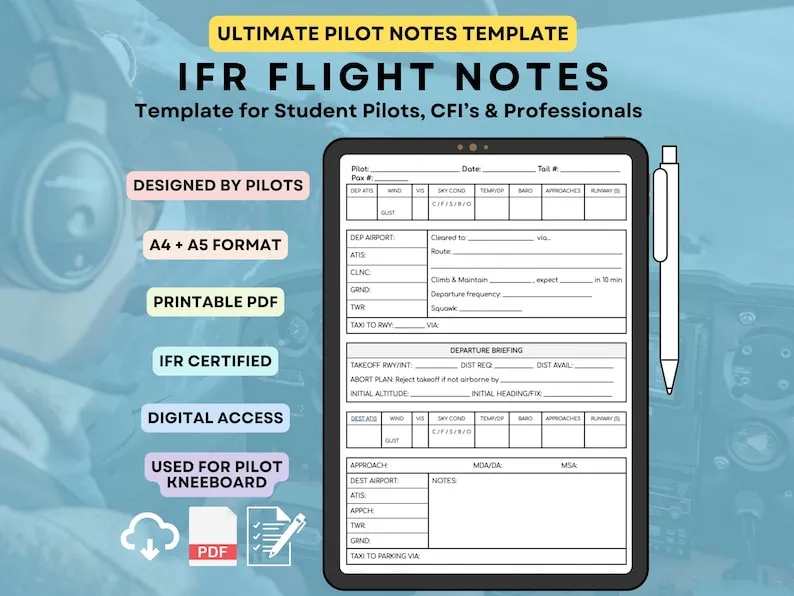
Here is a sample framework for a flight training brief template:
| Section | Key Elements | Description |
|---|---|---|
| I. Administrative Details | Date, Aircraft Tail #, Instructor, Student, Lesson # | Basic information for record-keeping and identifying the specific training session. |
| II. Flight Objectives | Primary Goal, Specific Maneuvers, Knowledge Areas | What the student is expected to learn or demonstrate during the flight. E.g., “Perform steep turns to ACS standards.” |
| III. Weather Briefing | METAR, TAF, Winds Aloft, NOTAMs, PIREPs, Icing, Turbulence | Current and forecast weather conditions pertinent to the flight route and altitude. |
| IV. Aircraft & Performance | Aircraft Type, Fuel Load, Weight & Balance, Performance Calculations (Takeoff/Landing Distance) | Ensuring the aircraft is airworthy, within limits, and capable of the planned operations. |
| V. Route & Airspace | Planned Route, Altitudes, Airspace Considerations, Navigational Aids | Detailed plan of the flight path, including any controlled airspace transitions. |
| VI. Emergency Procedures | Engine Failure (Takeoff, En Route, Landing), Fire, System Malfunctions | Review of critical emergency responses relevant to the flight phase and aircraft type. |
| VII. Human Factors | IMSAFE Checklist (Illness, Medication, Stress, Alcohol, Fatigue, Emotion), PAVE Checklist (Pilot, Aircraft, Vironment, External Pressures) | Assessment of pilot fitness and risk factors. |
| VIII. Post-Flight Debrief Outline | Planned Discussion Points, Self-Assessment Areas | Anticipated topics for review after the flight, promoting self-reflection. |
| IX. Instructor Notes / Student Questions | Open Section for Additional Info, Clarifications, or Pre-Flight Questions | Space for personalized notes and addressing any uncertainties before departure. |
This detailed structure provides a comprehensive pre-flight brief template that can be tailored for various flight training scenarios. By consistently using such a template, both instructors and students can foster a safer, more productive learning environment. It becomes an indispensable tool, much like an aviation checklist, ensuring every critical step is acknowledged and understood.
Enhancing Flight Safety and Efficiency with a Standardized Briefing
The adoption of a standardized pre-flight briefing isn’t just about ticking boxes; it’s about fundamentally enhancing flight safety and operational efficiency. When every flight starts with a consistent, thorough review, the likelihood of errors decreases significantly. This proactive approach helps identify potential issues before they become in-flight emergencies, fostering a culture of safety that is paramount in aviation. A clear flight training brief template ensures this consistency.
Furthermore, a well-defined briefing structure streamlines the instructional process. Instructors can focus more on individualized coaching rather than repeatedly covering basic elements, as the template provides a reliable framework. Students, in turn, arrive better prepared, having reviewed the template beforehand, leading to more efficient use of valuable flight time and accelerated learning. This efficiency benefits everyone involved in the flight training process.
Utilizing a consistent flight brief template significantly improves communication between the instructor and student. It acts as a shared document, ensuring both parties are on the same page regarding the flight plan, objectives, and potential challenges. This alignment reduces misunderstandings and builds a stronger instructor-student relationship, critical for effective learning. It also helps students develop professional habits early in their aviation careers, emphasizing the importance of meticulous planning and preparation.
Embracing a comprehensive flight training brief template is a strategic step towards more effective, safer, and efficient aviation education. By standardizing the pre-flight briefing process, both instructors and students gain a clear roadmap for each lesson, ensuring no critical detail is overlooked. This structured approach fosters a deeper understanding of flight concepts, strengthens decision-making skills, and ultimately contributes to the development of highly competent pilots.
Starting to use a well-designed template for every flight lesson will undoubtedly elevate the quality of your flight training experience. It transforms abstract learning into a concrete, actionable plan, ensuring that every minute spent in preparation translates into safer, more productive time in the air. Incorporate this powerful tool into your routine today to experience the tangible benefits of organized and thorough aviation preparation.
