Launching a new food product, or even just refining an existing one, is a complex journey. Without a clear roadmap, the path from idea to market can be riddled with missteps, wasted resources, and missed opportunities. This is where a robust food development brief template becomes your indispensable guide, streamlining communication and ensuring everyone involved understands the vision. It transforms vague concepts into actionable plans, laying the foundation for successful product innovation.
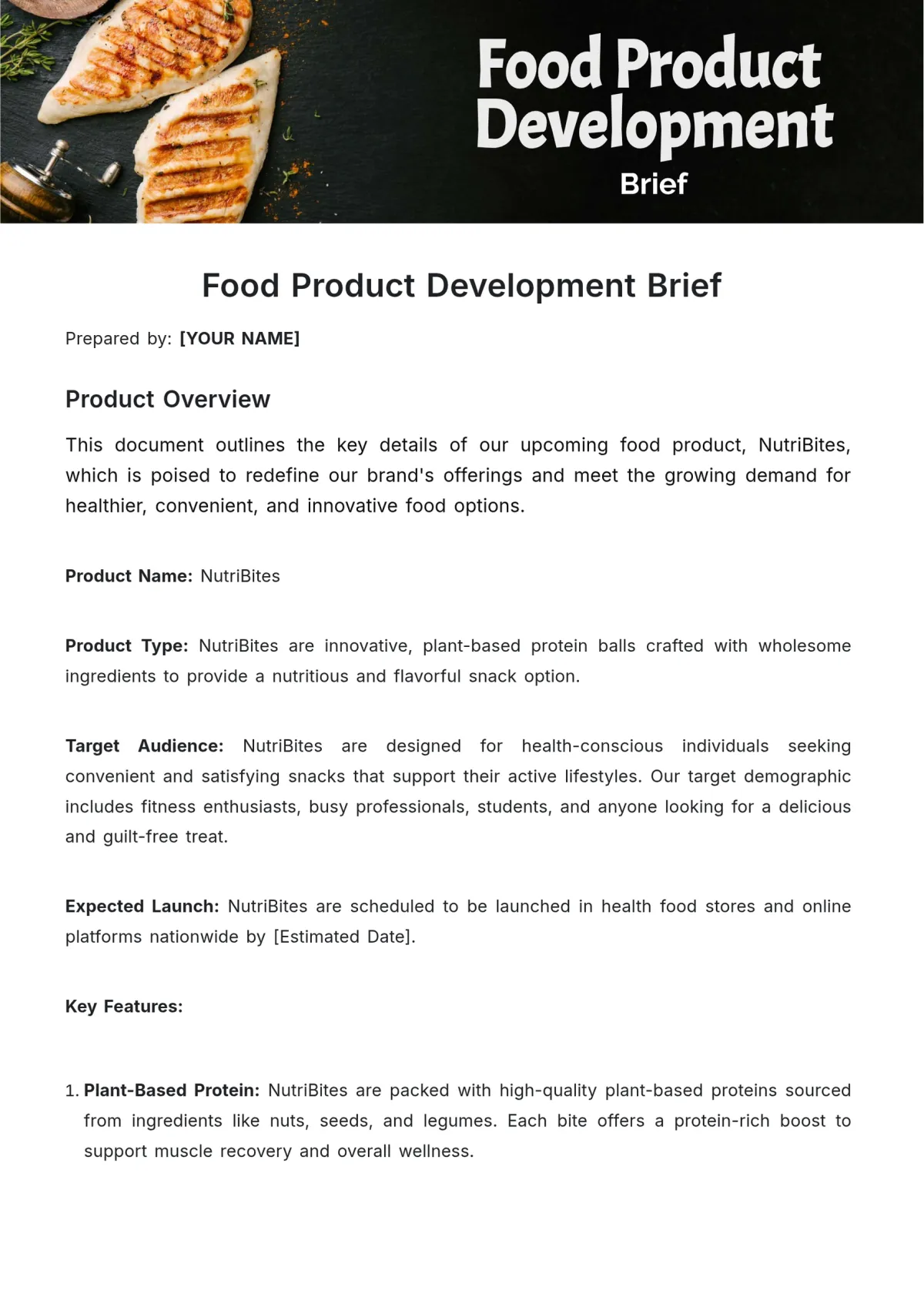
This article will explore the critical role of a well-structured food development brief template in the product lifecycle. We will delve into its essential components and provide a comprehensive sample to help you kickstart your next culinary venture. Understanding these elements can significantly enhance efficiency, reduce risks, and accelerate your product’s journey to the consumer’s plate.
Crafting an Effective Food Product Development Brief
A well-defined food product development brief acts as the central document for any new culinary project, guiding teams from concept generation through to launch. It ensures alignment across various departments, including R&D, marketing, sales, and production. From initial flavor profiles to packaging specifications, every aspect needs careful consideration to meet both consumer demands and business objectives. Historically, projects without such clear guidance often face significant delays, budget overruns, and a diluted final product that fails to resonate with the target market. Studies show that companies with clearly documented processes achieve higher rates of new product success.
The brief serves as a living document, evolving slightly as the project progresses but always anchoring the core objectives. It clarifies the scope, defines success metrics, and outlines potential challenges. By documenting these details upfront, you empower your team to make informed decisions and maintain focus throughout the development cycle. A comprehensive food development brief also helps in securing stakeholder buy-in and resource allocation, presenting a clear business case for the investment.
Sample Food Development Brief Template
Here is a structured food development brief template to guide your product innovation process. This framework ensures all critical aspects are addressed, promoting clarity and efficiency.
-
Project Title:
- A concise, descriptive name for the product or project.
- Example: “High-Protein Vegan Snack Bar (Berry Blast)”
-
Date:
- Initiation date and last revision date.
-
Project Lead/Team:
- Names and roles of the core development team members.
-
Executive Summary:
- A brief overview of the project, its goals, and key deliverables.
- Summarize the product concept, target market, and expected impact.
-
Product Concept & Vision:
- Core Idea: What is the fundamental idea behind this product?
- Unique Selling Proposition (USP): What makes this product distinct from competitors?
- Consumer Problem/Need Solved: Which specific consumer pain point does this product address?
- Desired Brand Perception: How should consumers perceive this product and its brand?
-
Target Market:
- Demographics: Age, gender, income, location.
- Psychographics: Lifestyle, values, interests, buying habits.
- Current Market Gap: What specific unmet need are you filling?
-
Product Specifications:
- Formulation:
- Key Ingredients (mandatory, prohibited, optional).
- Nutritional Targets (e.g., high protein, low sugar, gluten-free).
- Allergen Information (e.g., “contains nuts,” “dairy-free”).
- Sensory Attributes:
- Taste Profile (e.g., sweet, savory, umami, bitter).
- Texture (e.g., crunchy, creamy, chewy).
- Aroma and Appearance.
- Shelf Life: Desired shelf life and storage conditions.
- Serving Size & Usage Occasion: How and when will consumers typically use the product?
- Packaging Requirements:
- Type (e.g., stand-up pouch, carton, glass jar).
- Size/Weight.
- Material considerations (e.g., recyclable, compostable).
- Key messaging and branding elements.
- Formulation:
-
Regulatory & Compliance:
- Relevant food safety standards (e.g., HACCP, FDA, EFSA).
- Labeling requirements (e.g., nutritional panel, ingredient list, claims).
- Specific certifications (e.g., organic, non-GMO, halal, kosher).
-
Competitive Landscape:
- Who are the main competitors?
- What are their strengths and weaknesses?
- How will your product differentiate itself?
-
Financial & Commercial Targets:
- Target Cost of Goods Sold (COGS): Per unit.
- Target Retail Price (TRP): Recommended selling price.
- Sales Volume Projections: For the first 12-24 months.
- Profit Margins: Desired gross and net margins.
-
Project Timeline & Milestones:
- Key phases (e.g., concept approval, recipe development, prototype, testing, production, launch).
- Target dates for each milestone.
- Dependencies and potential risks.
-
Budget Allocation:
- Breakdown of costs for R&D, trials, packaging design, marketing, etc.
-
Success Metrics:
- How will success be measured? (e.g., sales targets, consumer feedback, market share).
This detailed framework ensures all stakeholders are aligned and focused on the same objectives. Utilizing this comprehensive food development brief template minimizes guesswork and maximizes the chances of creating a successful product that resonates with your target audience. It provides a robust foundation for decision-making at every stage of the product lifecycle.
Adopting a systematic approach to food product development through a well-structured brief significantly enhances the likelihood of market success. It fosters collaboration, mitigates risks, and ensures that the final product not only meets consumer expectations but also aligns with business goals. By investing time upfront in creating a thorough food development brief template, companies can save considerable resources and accelerate their innovation cycle, bringing exciting new products to consumers more efficiently.
