Embarking on an interior design project can be an exhilarating journey, filled with creative vision and the promise of transformative spaces. However, even the most brilliant design concepts can falter without crystal-clear communication between the designer and client. Misunderstandings about scope, aesthetics, or even budget can lead to costly delays and dissatisfaction.
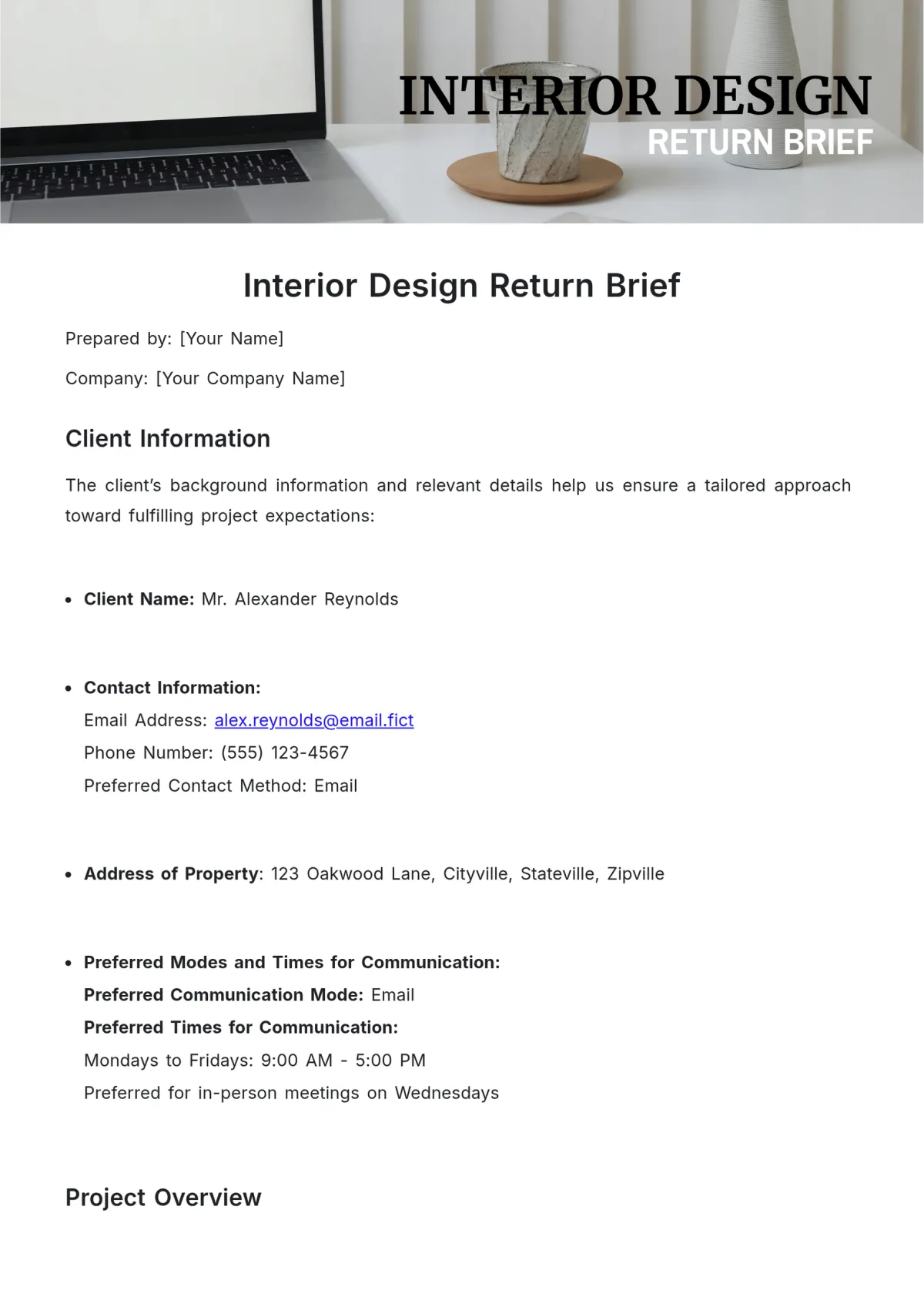
This is where an effective interior design return brief template becomes an indispensable tool. It acts as a vital bridge, ensuring that the designer’s interpretation of the initial client brief aligns perfectly with the client’s expectations. By formalizing this feedback loop, you can clarify project objectives, manage expectations, and pave the way for a smooth, successful design process.
Why a Comprehensive Return Brief Elevates Design Projects
A well-structured return brief is more than just a formality; it’s a strategic document that enhances collaboration and minimizes potential conflicts. It demonstrates professionalism and a commitment to understanding the client’s vision in detail. This proactive approach helps in setting a strong foundation for any interior design endeavor, whether it’s for a commercial space or a residential renovation. Using a standardized interior design return brief template is key here.
The process of creating and reviewing an interior design return brief template forces both parties to re-evaluate key aspects of the project. It encourages designers to articulate their understanding, while giving clients a final opportunity to confirm details. This mutual affirmation reduces the likelihood of scope creep and ensures everyone is on the same page from the outset.
Think of it as a quality control checkpoint before significant design work begins. It covers critical elements such as budget, timeline, specific aesthetic preferences, and functional requirements. By systematically addressing these points, the return brief template ensures no crucial detail is overlooked, leading to more accurate proposals and fewer revisions down the line.
Ultimately, investing time in a detailed return brief saves time and resources later in the project lifecycle. It fosters trust and transparency, which are cornerstones of any successful client-designer relationship. Using a standardized format, such as the sample below, helps maintain consistency across all your projects.
Essential Elements of an Interior Design Return Brief
To create a truly effective return brief, several key sections must be included. These ensure that all aspects of the original design brief are acknowledged and confirmed. A robust template provides a framework for capturing these critical details comprehensively.
- Project Overview: Confirm the project name, client details, and designer information. State the primary purpose and overall vision of the design project.
- Understood Scope of Work: Detail the specific areas or rooms included in the project. Clearly outline what services the designer will provide, such as conceptual design, space planning, material selection, or project management.
- Key Objectives & Functional Requirements: Reiterate the client’s main goals for the space. List essential functionalities, storage needs, traffic flow considerations, and technology integration requirements.
- Aesthetic & Style Interpretation: Describe the designer’s understanding of the desired aesthetic, mood, and style. Reference any inspiration images, color palettes, or material preferences discussed.
- Budget Confirmation: Reconfirm the agreed-upon project budget and any allocations for furniture, fixtures, equipment (FF&E), or contractor fees. Emphasize that this is the designer’s understanding of the budget parameters.
- Timeline & Milestones: Outline the proposed project timeline, including key phases, client review periods, and anticipated completion dates. Confirm important deadlines and availability for approvals.
- Client Expectations & Communication: Summarize the client’s preferred communication methods and frequency. Reiterate expectations regarding revisions and approval processes.
- Outstanding Questions: Include a section for any remaining questions the designer has for the client to ensure complete clarity before proceeding.
Having these components systematically laid out in your interior design return brief template ensures that both parties are aligned. This minimizes misinterpretations and helps prevent costly rework further into the design process. It truly is a foundational document for successful collaboration.
Sample Interior Design Return Brief Template
Below is a simplified example of how an interior design return brief can be structured. This template provides a clear, concise format for confirming project parameters and client expectations. Adapt it to suit the specific needs of your design practice and projects.
| Section | Details Confirmed by Designer | Client Confirmation (Initial Here) |
|---|---|---|
| Project Title | [E.g., “Smith Residence Living Room Redesign”] | |
| Client Name | [Client’s Full Name] | |
| Project Location | [Full Address or Specific Area] | |
| Date of Brief | [Date] | |
| Primary Goal | To transform the living room into a sophisticated, comfortable, and highly functional family gathering space. | |
| Scope of Work |
|
|
| Aesthetic & Style | Modern Transitional with a focus on natural textures, warm neutrals, and subtle pops of color. Sophisticated yet inviting atmosphere. | |
| Functional Needs |
|
|
| Estimated Budget (FF&E) | £25,000 – £30,000 (excluding design fees and contractor work) | |
| Key Deliverables |
|
|
| Target Completion | 6-8 weeks from design approval (excluding lead times for bespoke items) | |
| Client Notes/Questions | [Any additional client comments or questions arising from the review] |
Using this kind of structured format helps both designers and clients maintain clear expectations throughout the project. It provides a tangible document to refer back to, minimizing subjective interpretations. This sample demonstrates the power of a clear return brief in setting up successful interior design outcomes.
Implementing a comprehensive return brief into your workflow can dramatically improve project efficiency and client satisfaction. It’s an investment in clear communication that yields significant returns, building stronger relationships and more successful outcomes, especially when using a well-defined interior design return brief template.
Embrace the professionalism and clarity that a well-executed return brief provides. It’s not just about managing projects; it’s about nurturing trust and delivering exceptional results that truly resonate with your clients’ visions. Start leveraging this powerful tool today to elevate your design practice and ensure every project moves forward with mutual understanding and shared objectives.
