Onboarding new clients, vendors, or partners can be a complex process, often requiring a significant amount of critical data. Without a structured approach, gathering essential business details can quickly become a disorganized mess, leading to delays, errors, and frustration for all parties involved. A well-designed system is crucial for a smooth and professional start to any new relationship.
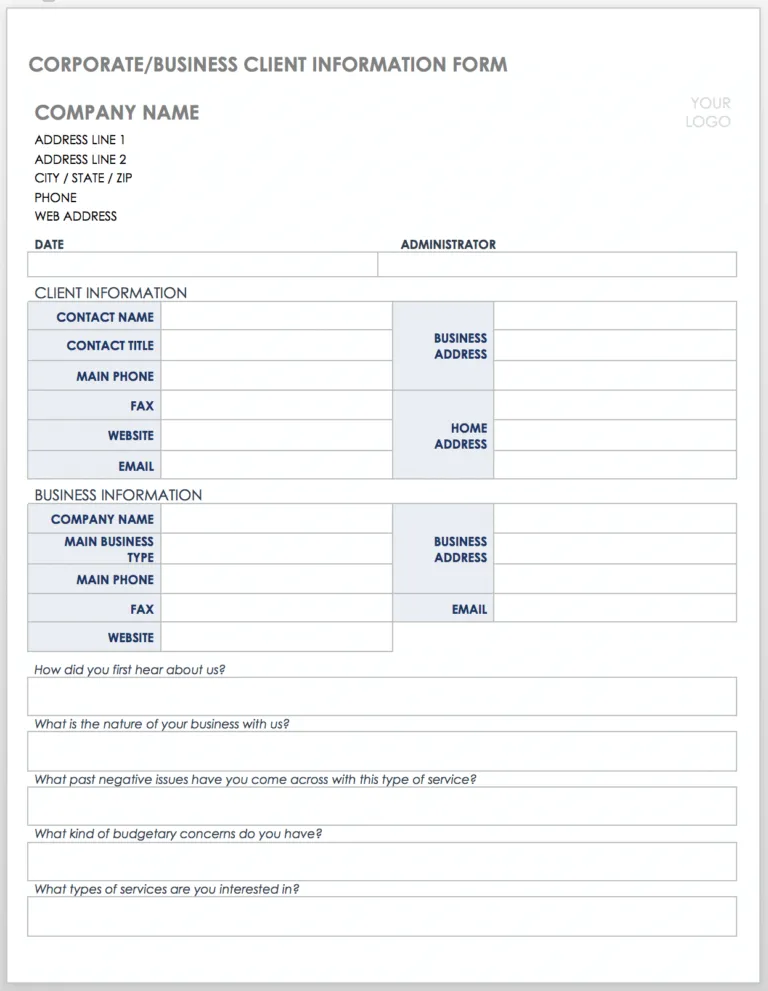
This is where a robust new company information form template becomes an invaluable asset for any organization. Such a template provides a standardized, efficient way to collect all necessary details from a new entity, ensuring consistency and completeness from the outset. Throughout this article, we will explore the core components, benefits, and best practices for creating and utilizing an effective company information form.
Crafting an Essential New Company Information Form
Designing a comprehensive new company information form is fundamental for efficient data collection. The goal is to gather all pertinent details required for legal, operational, and financial purposes without overwhelming the new entity. Think about the various departments that will interact with this new information, from sales and accounting to legal and support teams, and tailor your fields accordingly.
Your form should cover a broad spectrum of information, ranging from basic identification to more specific operational details. A well-structured form ensures that no critical piece of data is missed, streamlining your internal processes. Below is a sample structure that illustrates the key sections and fields commonly found in a robust new company information form template.
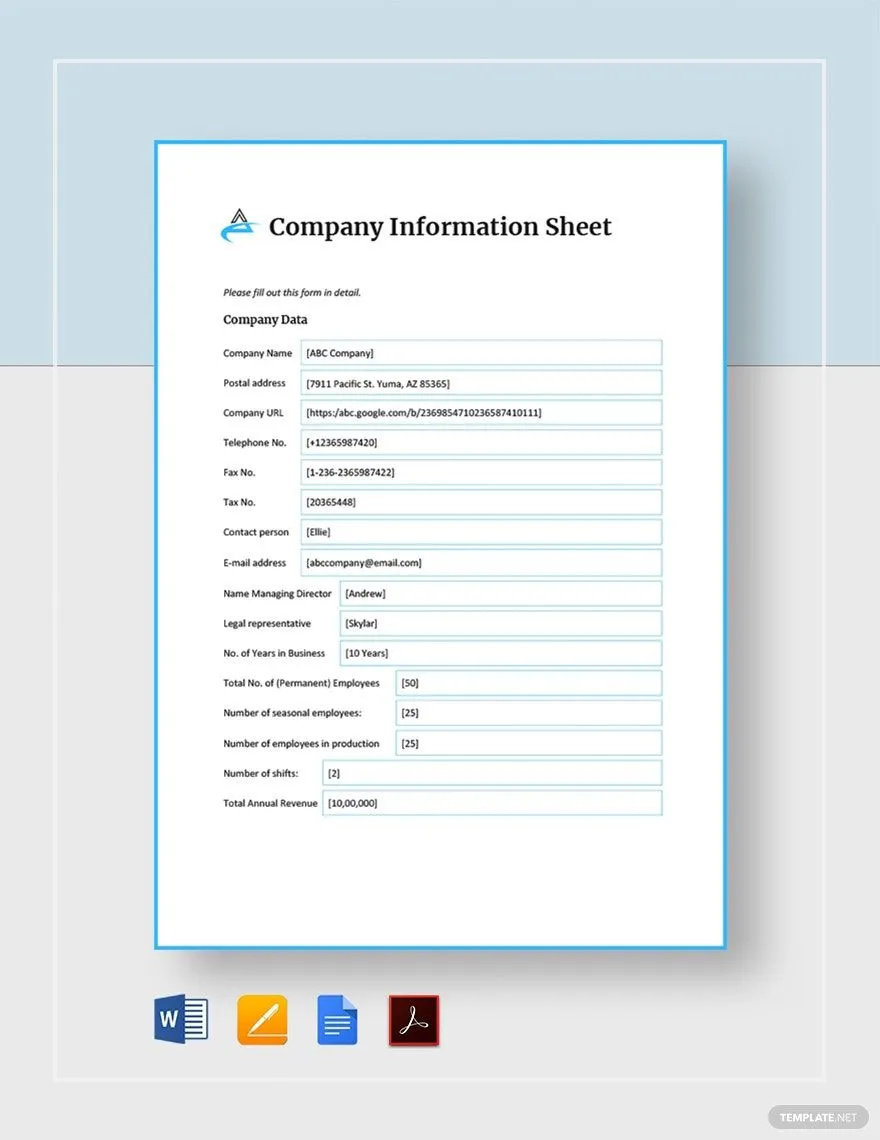
Here’s a breakdown of common sections and their respective fields:
- Company Identification:
- Full Legal Company Name
- Doing Business As (DBA) Name (if applicable)
- Company Type (e.g., LLC, Corporation, Sole Proprietorship)
- Federal Tax ID (EIN)
- State of Incorporation/Registration
- Primary Business Industry/Sector
- Company Website URL
- Date Established
- Physical and Mailing Addresses:
- Main Office Street Address
- City, State, Zip Code
- Country
- Mailing Address (if different from physical)
- Primary Contact Information:
- Full Name of Primary Contact
- Title/Role
- Email Address
- Phone Number (Direct Line)
- Mobile Phone Number (Optional)
- Billing and Financial Details:
- Accounts Payable Contact Name
- Accounts Payable Email
- Billing Address (if different)
- Payment Terms Preference (e.g., Net 30, Net 60)
- Bank Account Details (for payments, if applicable, with necessary security protocols)
- Credit References (Optional)
- Legal and Compliance Information:
- Business License Number
- Resale Certificate Number (if applicable)
- Any specific industry certifications or licenses
- Compliance declarations (e.g., GDPR, CCPA agreement)
This comprehensive approach helps create a solid foundation for your relationship with the new company.
Benefits of a Standardized Business Information Template
Implementing a standardized new company information form template offers numerous advantages beyond mere data collection. It transforms what could be a chaotic process into a seamless and professional experience, benefiting both your organization and the new entity. The consistency provided by a template significantly reduces the likelihood of errors and omissions, which are common pitfalls of manual or ad-hoc data entry.
One of the most significant benefits is the immense time-saving potential. Instead of crafting new requests for information for each new partner, you can simply deploy a pre-defined form. This efficiency allows your teams to focus on core tasks rather than administrative overhead, accelerating the onboarding process and getting new collaborations off the ground faster. Standardized forms also promote better data organization and retrieval.
Furthermore, a well-designed template enhances compliance and minimizes legal risks. By ensuring that all necessary legal and regulatory information is collected consistently, your organization can better adhere to industry standards and government requirements. This structured approach helps maintain accurate records, which is vital for audits, tax purposes, and dispute resolution.
Customizing Your New Business Data Collection Sheet
While a standardized new company information form template provides a robust foundation, customization is key to making it truly effective for your specific business needs. Every organization has unique requirements based on its industry, services, and operational structure. Taking the time to tailor your data collection sheet ensures it perfectly aligns with your internal workflows and external partner expectations.
Begin by evaluating your existing internal processes and identifying any specific data points that are critical for your sales, accounting, legal, or operational teams. For instance, a software company might need specific details about a client’s IT infrastructure, while a logistics firm might require information on warehousing capabilities. Adding fields for these unique requirements makes your template far more useful.
Consider the user experience from the perspective of the company filling out the form. Is it clear, concise, and easy to understand? Use logical groupings, clear instructions, and conditional logic (if using a digital form) to simplify the process. Regularly review and update your new company information form template to adapt to changing business needs, regulatory shifts, or feedback from users to maintain its relevance and efficiency over time.
Adopting a comprehensive new company information form template is a strategic move that significantly streamlines the process of integrating new clients, vendors, or partners into your ecosystem. It minimizes the potential for errors, saves valuable time, and establishes a professional and organized approach from the very beginning. By diligently collecting all necessary data through a standardized form, businesses can foster stronger relationships and ensure compliance.
Investing in a well-structured company information form helps lay a solid groundwork for all future interactions. It empowers your team with accurate, consistent data, allowing them to make informed decisions and provide exceptional service. Start by reviewing your current data collection methods and consider how a dedicated new company information form template could enhance your operational efficiency and overall business success.
